


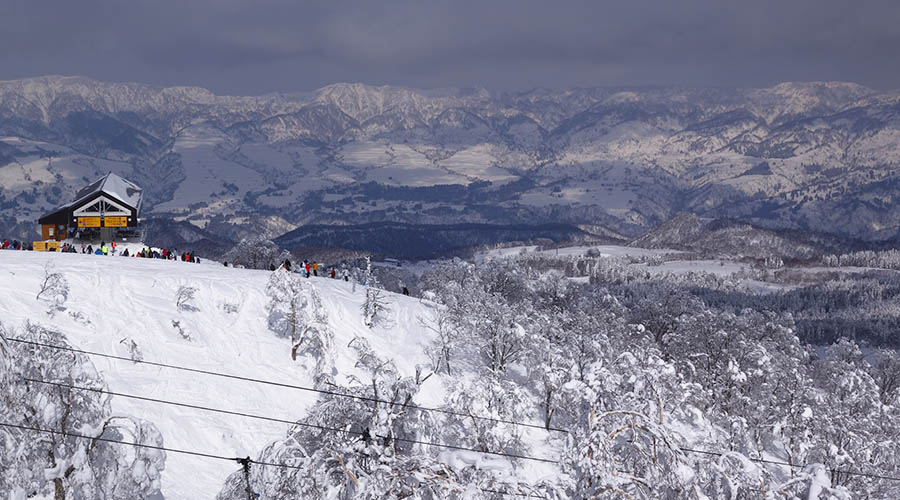
 Photo: Scout
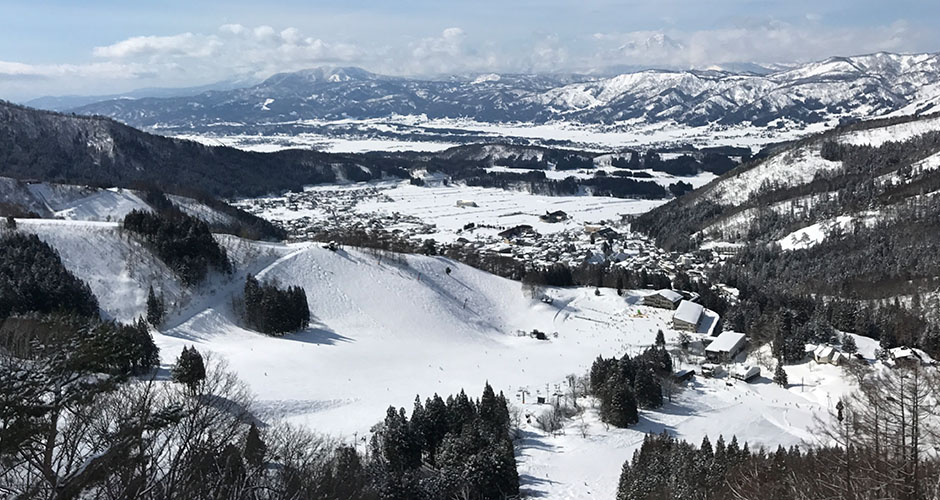 View of Hikage base area and the village. Photo: Scout
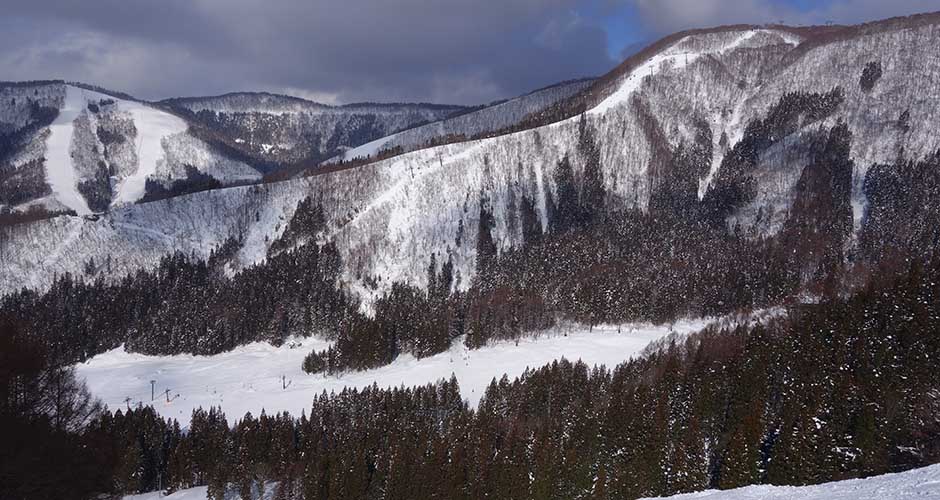 Photo: Scout
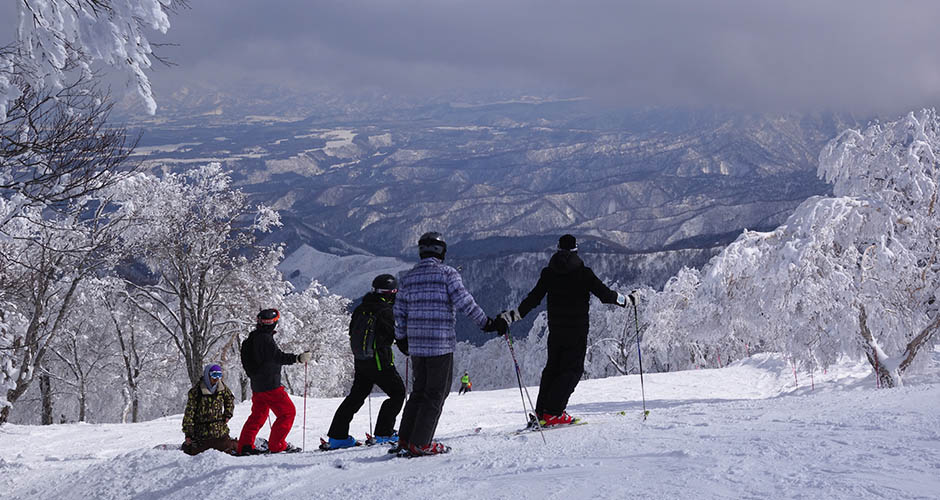 Photo: Scout
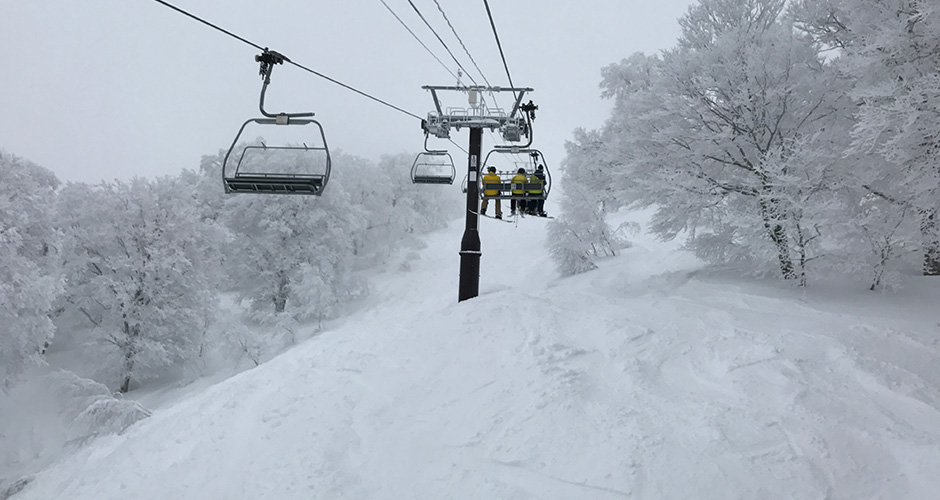 Nozawa has many powder days! Photo: Scout
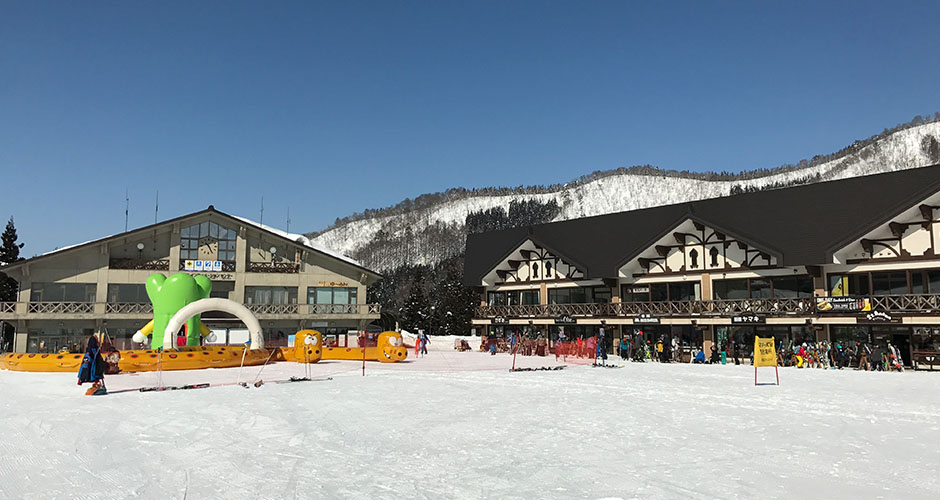 Hikage base area. Photo: Scout
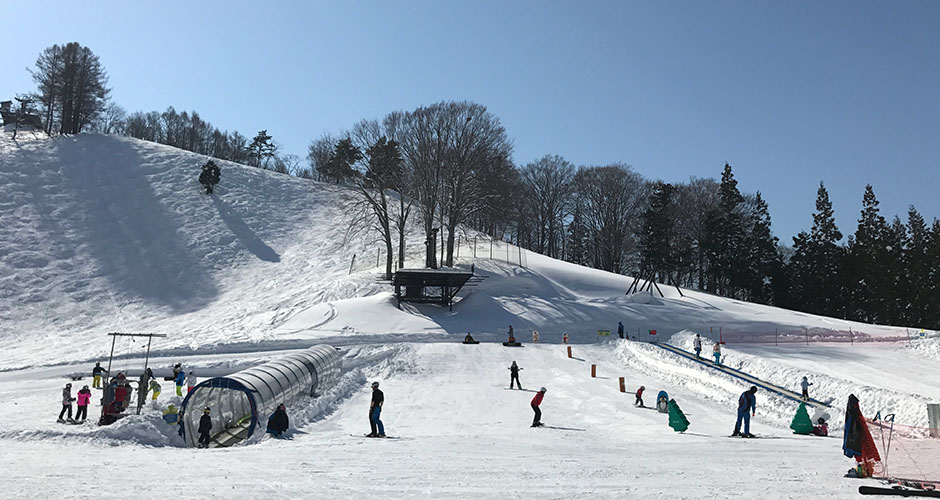 Beginner area at Hikage. Photo: Scout
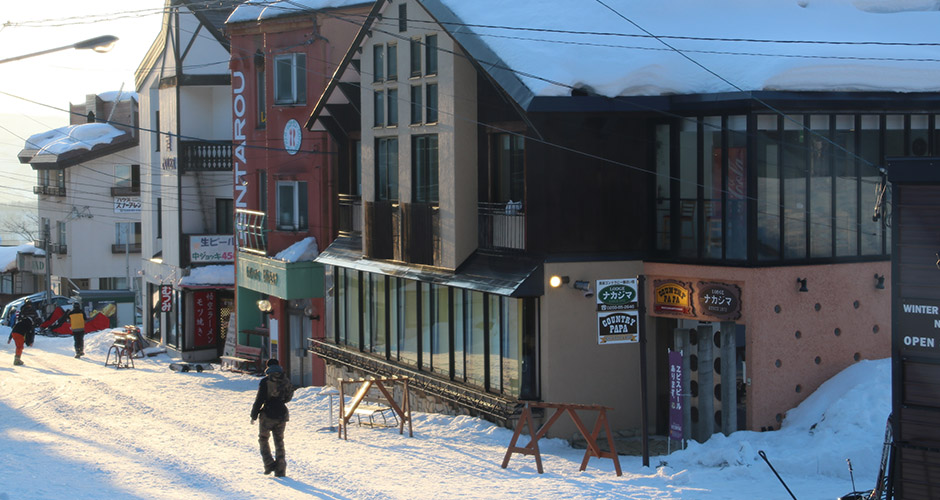 Nagasaka base area. Photo: Scout
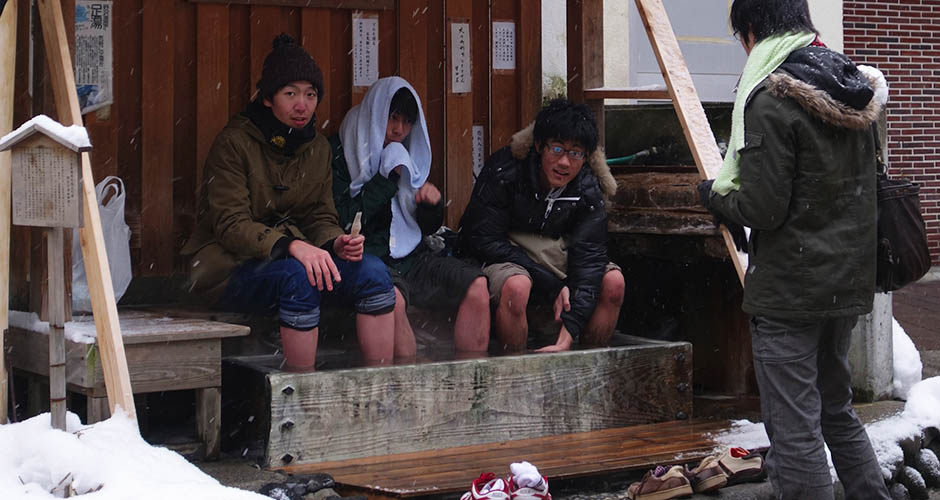 An onsen just for soaking feet! Photo: Scout
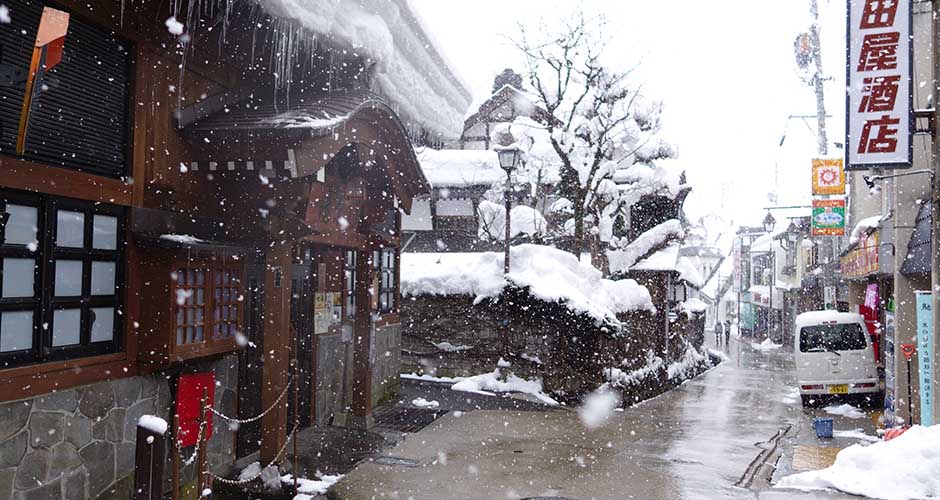 An onsen on Nozawa's main street. Photo: Scout.
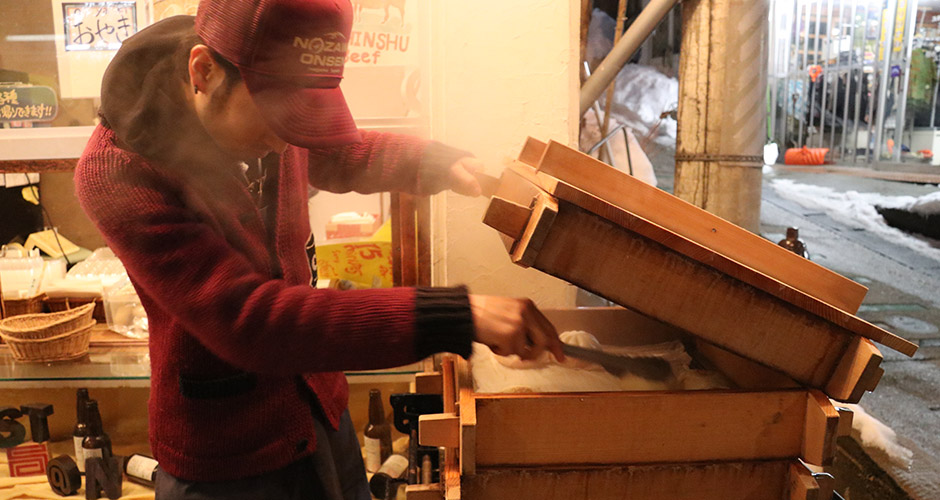 Many of the shops sell dumplings on the street. Photo: Scout
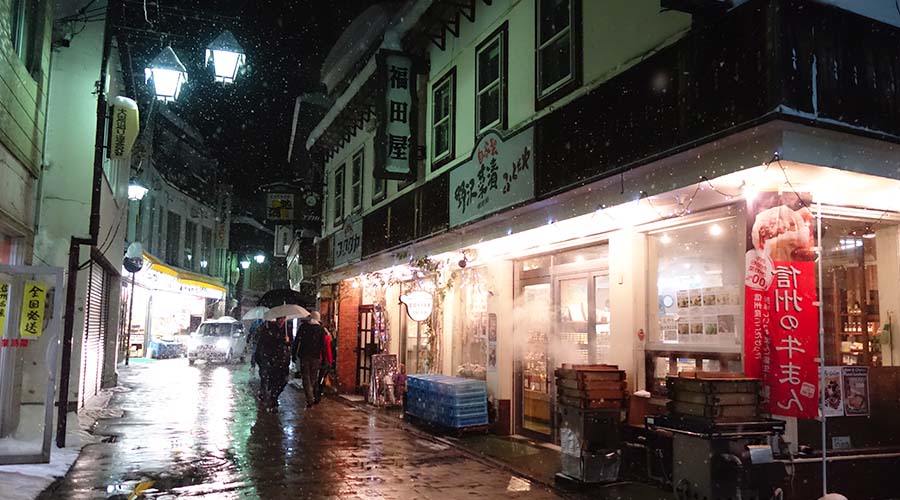 Nozawa Onsen village. Photo: Scout
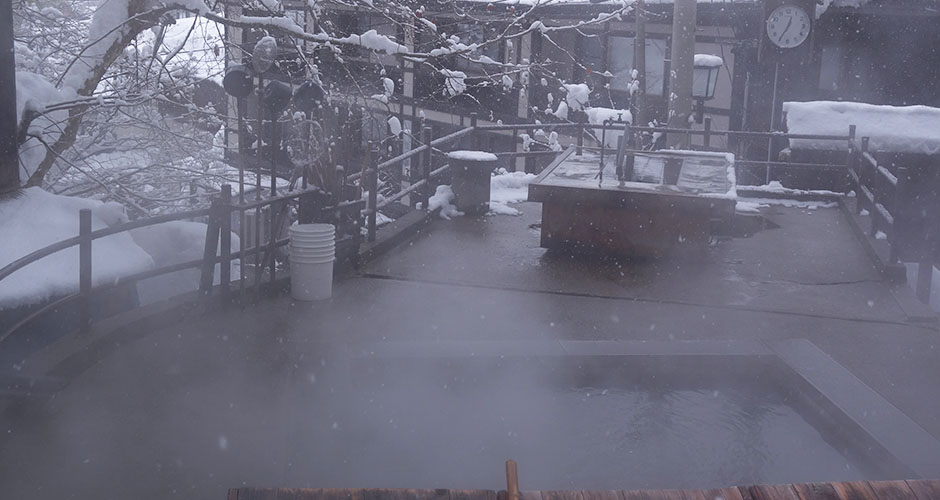 An onsen used for cooking. Photo: Scout
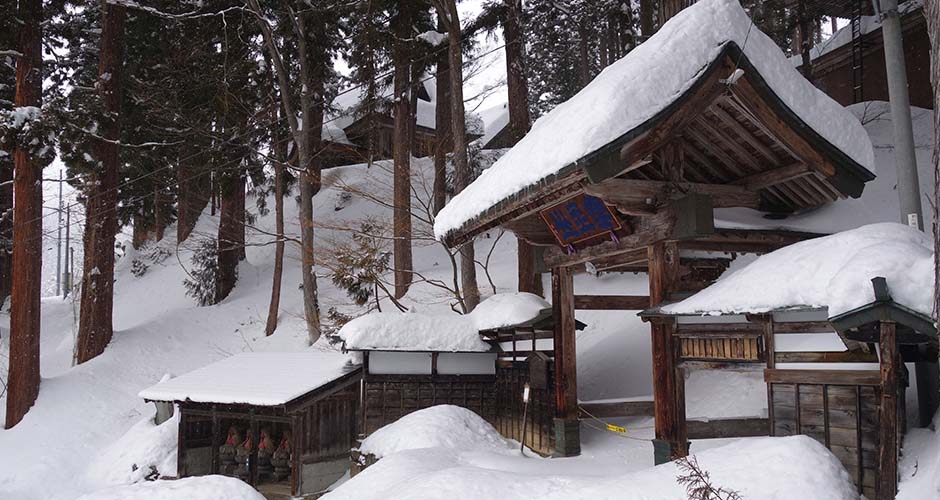 Traditional Temples. Photo: Scout
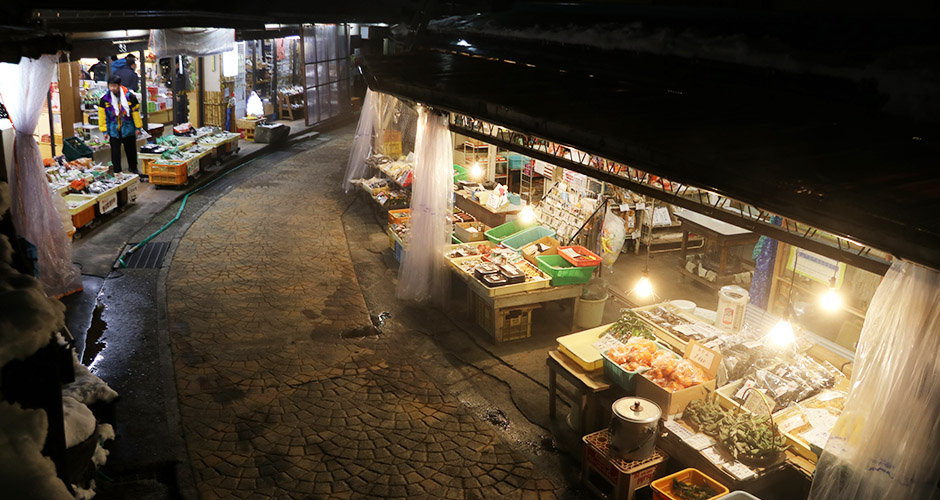 Classic Nozawa village street. Photo: Scout
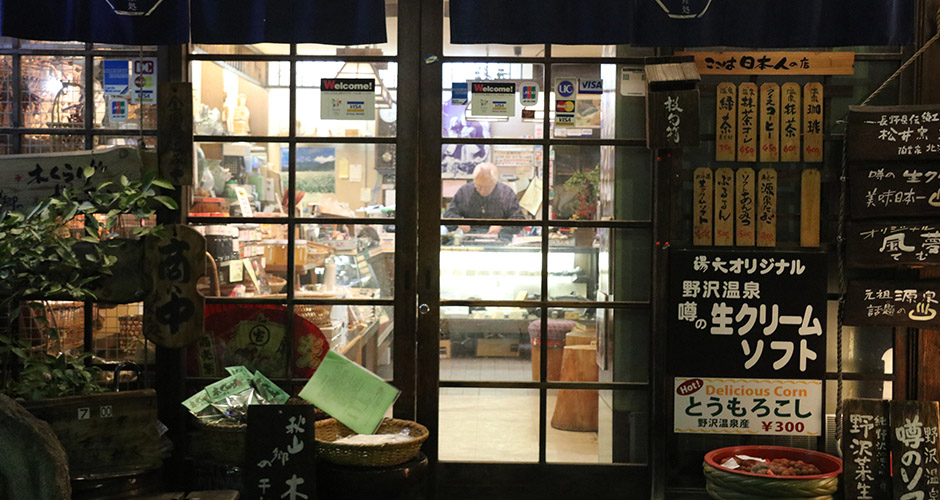 There are plenty of great gift shops in Nozawa. Photo: Scout
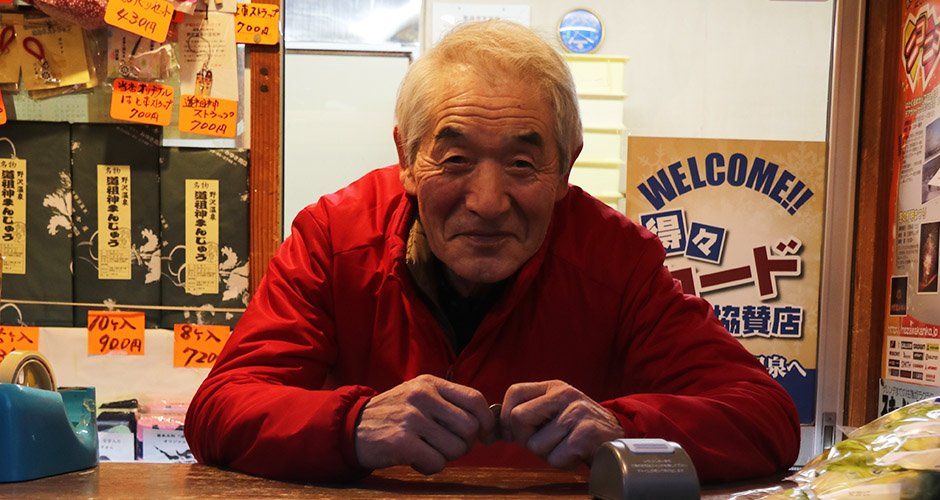 One of Nozawa's many friendly locals. Photo: Scout
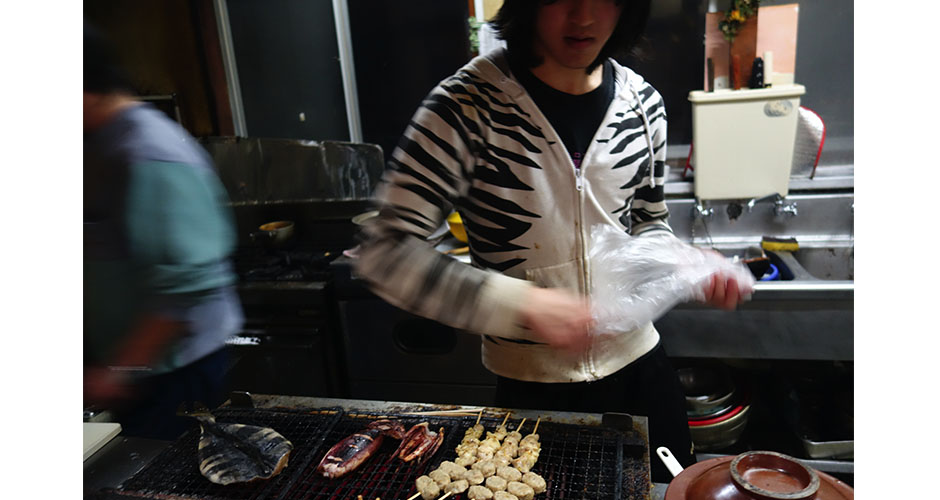 Nozawa has tons of great of Izakaya - traditional BBQ. Photo: Scout
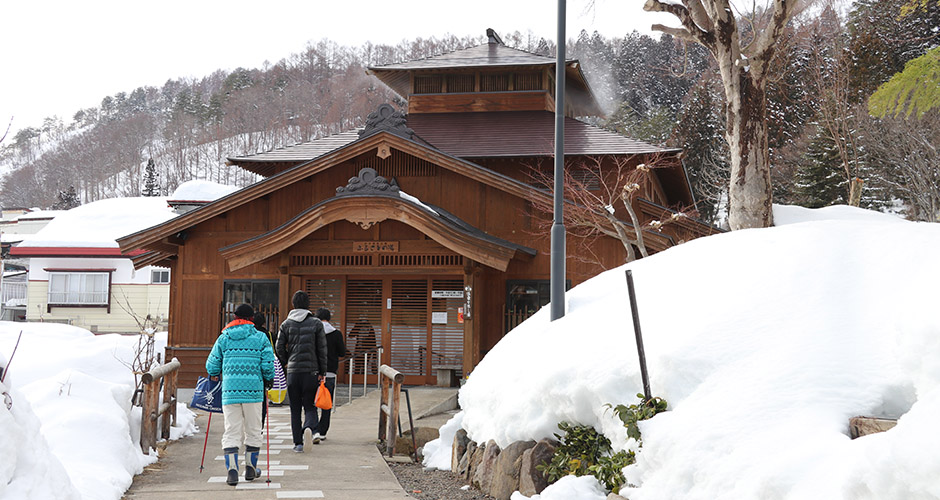 Scout's favourite onsen, Asagama No-yu. Photo: Scout
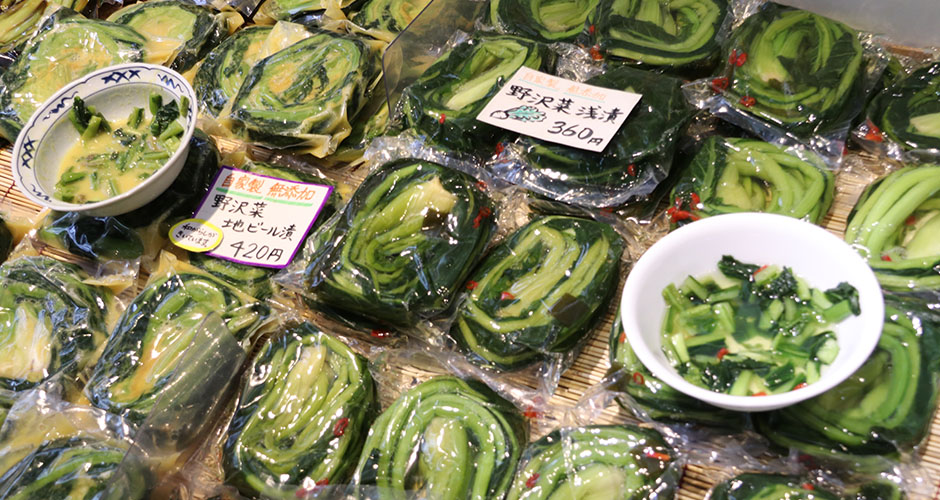 A must try when visiting Nozawa - pickled Nozawana vegetables! Photo: Scout
An authentic Japanese ski village packed with natural hot spring onsens.
The ski area at Nozawa Onsen is one of the best all-round resorts in Japan. The first-timer area is at the Hikage base where the ski school is located. It's well set up for first-timers with covered magic carpets in an area away from the main slopes. There’s a decent amount of beginner terrain with three dedicated areas at the bottom of the mountain as well as the Paradise area in the middle. There’s a range of runs for intermediates and some steep terrain to challenge advanced skiers. Scout particularly loves lapping the top of the mountain at the Yamabiko area.
The runs might be short, but no one run will ever be the same thanks to the varied terrain – including gullies that provide natural half-pipes, and glades of trees. The only downside for more advanced skiers is that the challenging areas are at the top and bottom of the mountain, separated by long stretches of relatively flat terrain (snowboarders beware!). But if you’re patient enough to connect some lifts together, you can have some of the longest thigh-burning runs in the whole of Japan.
Off-piste skiing (within the resort boundaries) is permitted in some areas, and not in others so can get a bit confusing. Signs at the top of the mountain indicate that it’s not permitted, and that it’s at your own risk. This area is coloured green on the map and labeled "self-responsibility area" meaning "ski at your own risk" - it's possible ski patrol mightn't help you if you have an accident in that area.
In recent years Nozawa Onsen has changed from banning out-of-bounds skiing all-together, to one that is managed. If you want to ski outside the boundaries you must fill out a form at the resort office at the Nagasaka base stating your objectives and experience, and have the correct safety equipment. We always reccomend getting a guide - even for the most experienced skier - as they know the terrain and safe areas. Scout can book a backcountry guide as part of your package.
Like all the resorts in Japan, the ski area of Nozawa isn't huge so intermediate and advanced skiers may find they have well and truly covered all the terrain in a few days. To add a bit of variety it's certainly easy enough to do day trips to other ski areas and make Nozawa your base for a week.
Nozawa Onsen is great for families – especially those wanting their children to have a more authentic Japanese experience. There is a ski school with English speaking instructors and kids will love the resort’s official mascot – Nasuki. Nasuki resembles the village’s famous picked vegetable ‘Nozawana’ and is an avid skier and snowboarder! He can be found on the weekends at the Hikage base area during the peak winter months. The main ski school and beginner base is at the Hikage area, which is easily connected to the Nagasaka area by a special snowmobile train – almost more fun for the kids than the skiing itself.
The only downside for families, particularly those with young kids, is that most of the lodging is down in the village and there is no shuttle bus to get to the base area. We highly reccomend storing your equipment (including boots) at one of the base areas, making the walk to and from the lifts a lot easier. There is some slopeside lodging, however the downside is that it's a bit of a hike to get to and from the village in the afternoons/evenings. Which you choose really depends on what your priority is. Scout can help with selecting the right accommodation for your needs.
For non-skiing kids there’s a day care nursery (for a charge) and a free-of-charge ‘Kids Park’ on weekends with a bouncing castle, as well as tubing and sledding.
Local authorities carefully restrict development in the Nozawa village. That has a definite upside in that the charm of the village is retained and it hasn’t been overdeveloped by foreign investors (like other Japanese ski resorts). As a result, there are many pensions and ryokans where you can experience the traditional Japanese style of accommodation, to the point where many of the operators don’t speak any English. However there are also quite a few places we’ve found that will make Westerns feel comfortable, and with staff that speak English. Some give you the Japanese experience – where you sleep on a futon in a tatami mat room – while others provide the option of Western-style beds. Meanwhile, if you just want a regular hotel room or apartment, there are a few good options in this village thanks to the Western influence that has crept in recently.
In the last few years foreign ownership of lodges has definitely increased, however most have re-developed existing buildings thus retaining the authentic feel of the village and many of the hotels.
It’s important to note that there are very few ski-in ski-out options here, as most of the accommodation is central to the village. If you do choose slopeside accommodation they are quite separate from the village - which is one of the main reasons for coming to Nozawa Onsen.
You should also be aware that accommodation can book out well in advance of the ski season, especially around Christmas and the Fire Festival on January 15 (every year).
In addition to regular skiing, there are some fun extra activities you can enjoy during your stay. There is night skiing on Saturday evenings and during New Year and national holidays. Non-skiers can enjoy a ‘Snow Experience’ (by cat that leaves from the Yamabiko station), and there are also snowshoe tours. There are several cross-country trails around the area.
Of course, the main extra attraction in Nozawa is the onsens. Once you get rid of your shyness, you’ll find getting naked with a bunch of strangers feels completely natural. The 13 public onsens or ‘soto-yu’ are free or a couple of hundred Yen (they are looked after by locals) – just be sure to respect all the rules (read our guide to Onsen etiquette). Meanwhile, there are more luxurious onsens in the hotels (for a fee – usually around ¥1000) and if you want to bathe together as a couple or family (or you just can’t bare getting naked in front of strangers), you could head to one of those or to the large outdoor onsen at SPArena – where bathing suits are compulsory and genders are mixed.
If you need a day off, a side trip to see the Snow Monkeys is well worth it. Monkeys sit and preen themselves in the hot springs, just like the humans in the onsen. Don’t worry – those pools are strictly for monkeys only!
There are direct shared bus services from Tokyo City and Narita Airport, as well as semi-private shuttle services (the journey takes approximately 5 hours). Alternatively, you could come via train and Shinkansen (bullet train) to Iiyama station and catch a bus from there. The Nozawa Onsen Liner bus departs regularly according to the Shinkansen timetable. However it doesn't run after 8pm. You can catch a taxi to Nozawa however if you have lots of gear it could be a squash in their typically small sedans.
If you are linking up with Hakuba, Myoko Kogen, Shiga Kogen or Madarao there are daily inter-resort bus services. Nozawa itself is small and easy enough to get around on foot – you will rarely need a taxi.
You can book the Narita or Haeda bus transfers or inter-resort bus transfers as part of a Nozawa Onsen Ski Package with Scout.
The Nozawa ski resort season usually opens for skiing around mid-November and closes around early May. December can be risky, as the coverage may be marginal (and there is no snow-making) but you could be rewarded with big dumps. January and February are more reliable months when it’s cold, and the powder is (usually) plentiful. March is still OK, with smaller crowds. Due to its proximity to Nagano and other urban areas, the resort can be crowded on weekends.
Holidays & Festivals:
New Year: NYE December 31 & Jan 1. Night skiing until 11.30pm, then fireworks. On New Year’s Day, enjoy free sake on the slopes.
Smile Winter Festival: Give thanks to winter with Japanese ‘Taiko’ drummers, free sake, and a paper, scissors rock competition. Usually occurs in early January and mid-late March.
Nozawa Onsen Fire Festival: Jan 15th (every year). One of the biggest fire festivals held in Japan. Watch the village’s 25 and 42 year-olds do battle before the sacred pavilion. Very difficult to get accommodation.
Winter Light Festival: Fireworks, sacred lanterns and torchlight skiing. Early March.
| Mountain Information | Lifts | Terrain | ||||
| Base Elevation | 1968ft / 600m | Gondolas | 2 | Beginner | 40% | |
| Summit Elevation | 5413ft / 1650m | Express Quads | 2 | Intermediates | 30% | |
| Vertical Drop | 3444ft / 1050m | Quad Chair | 3 | Advanced | 30% | |
| Skiable Area | 733ac / 297ha | Triple Chairs | 3 | |||
| Annual Snowfall | 196in / 5m | Double Chairs | 10 | |||
| Longest Run | 6.2 miles / 10km | |||||
| Operating Hours | 8.30am –4.30pm |
